
Tracking project to help council balance needs of shorebirds and people
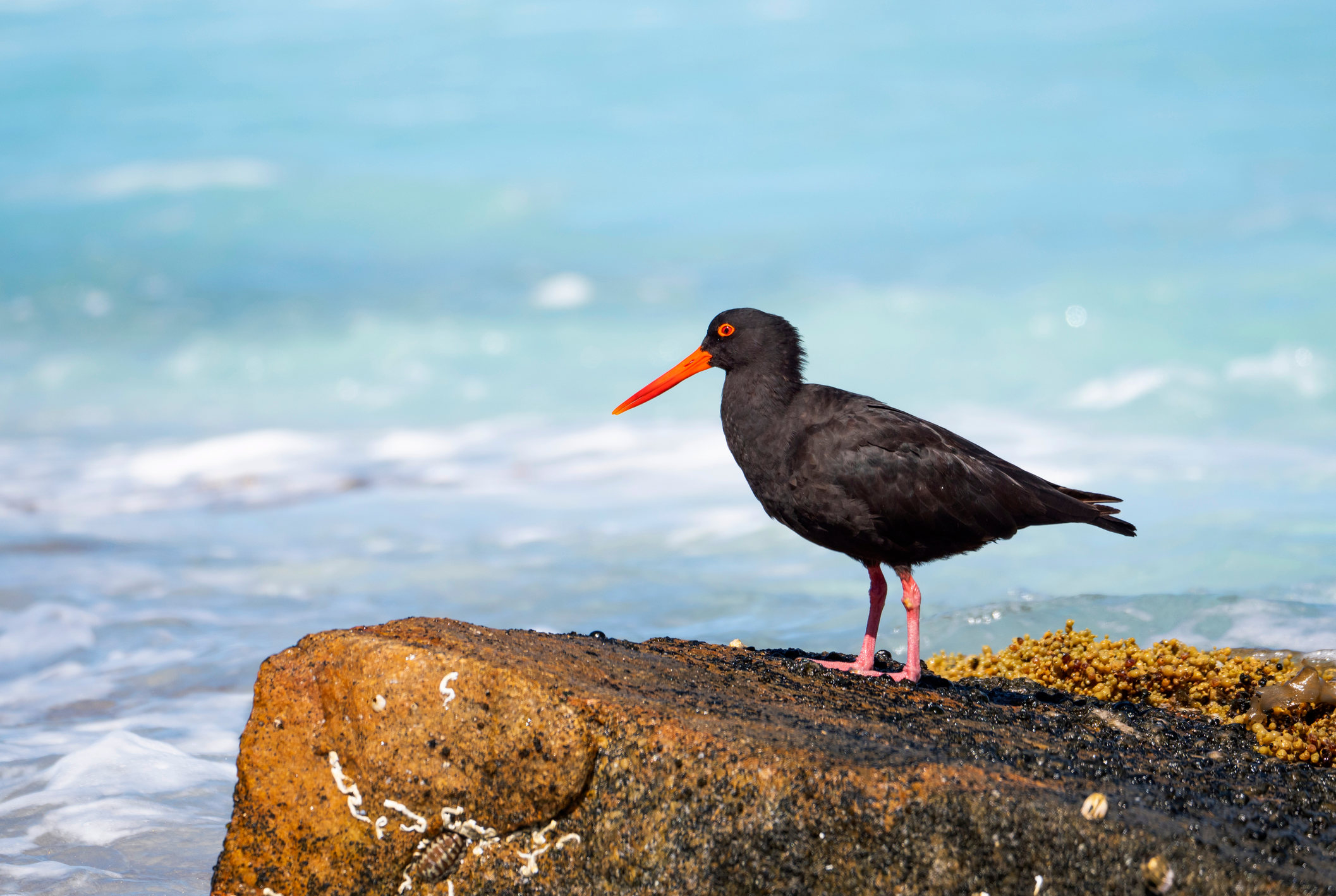
Tracking devices are helping researchers learn more about the mysterious lives of resident shorebirds.
Sunshine Coast Council recently fitted devices to two sooty oystercatchers, in collaboration with the Queensland Wader Study Group and with the assistance of the Queensland Bird Research and Banding Group.
Although the birds can often be seen on the region's rocky shoreline, very little is known about them.
Coastal conservation and planning team leader Dr Simone Bosshard said the devices, which weigh less than 2 per cent of the birds' lean body mass, provide significant insight about the birds' movements and habitat locations.
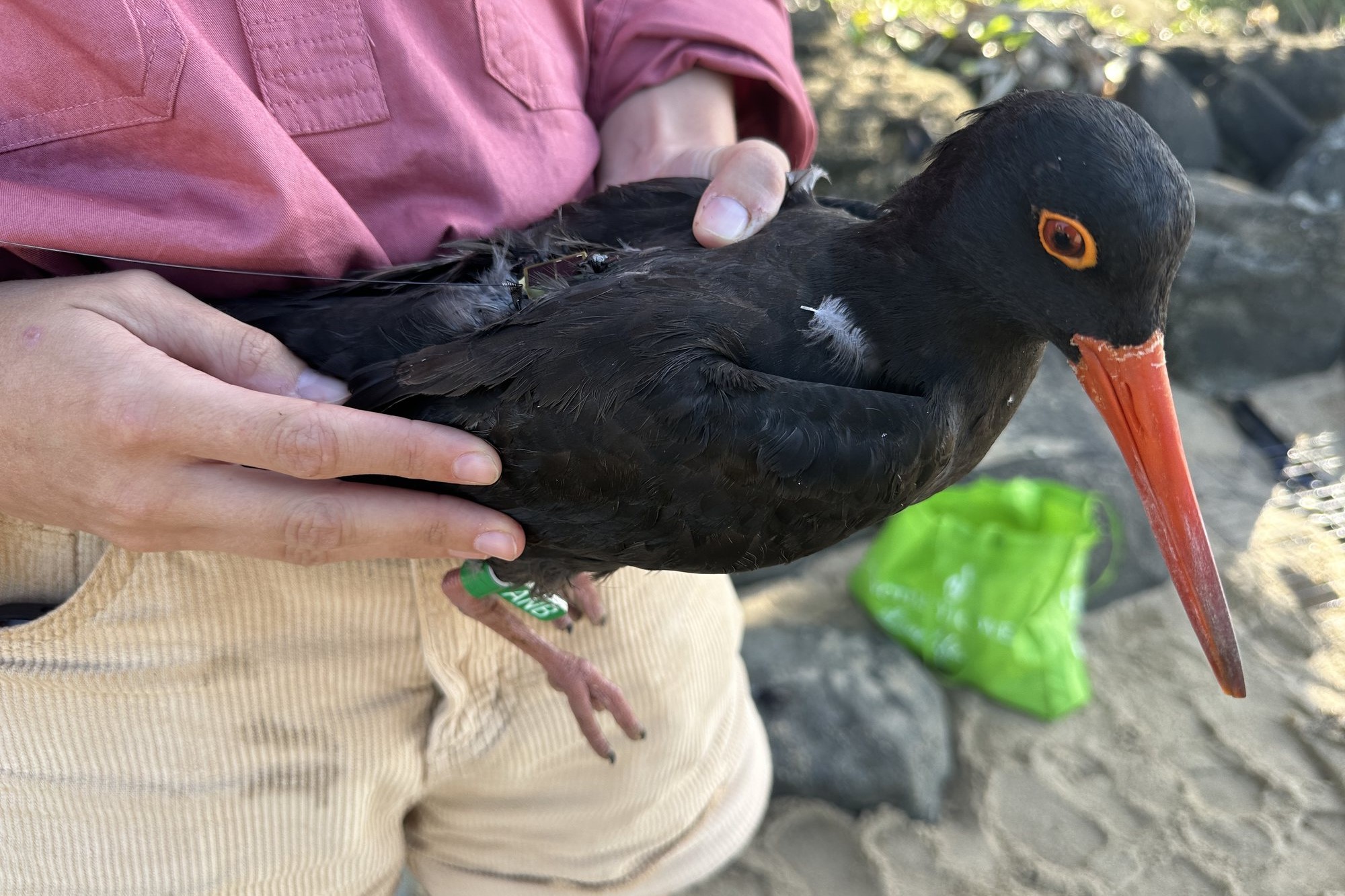
“The research will follow the birds across the Sunshine Coast, allowing us to learn more about this species and how to better protect them from disturbance and threats they may face," she said.
“The trackers are now live and transmitting data.
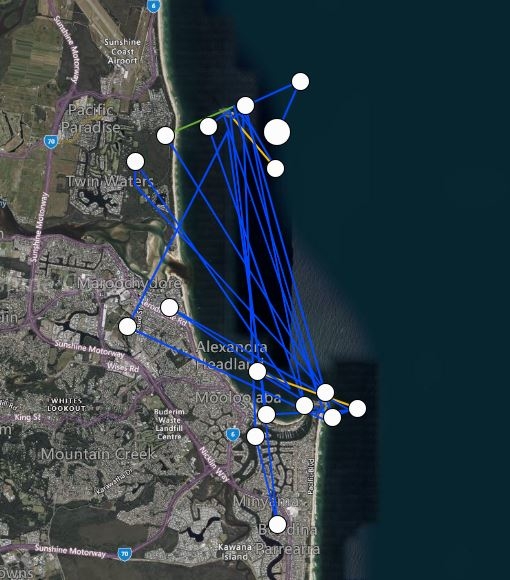
“One adult bird was tagged at Point Cartwright. It has a green leg flag with the letters 'ANA' and seems to move between Point Cartwright and Mudjimba Island, as well as along Alexandra Headland and Twin Waters.
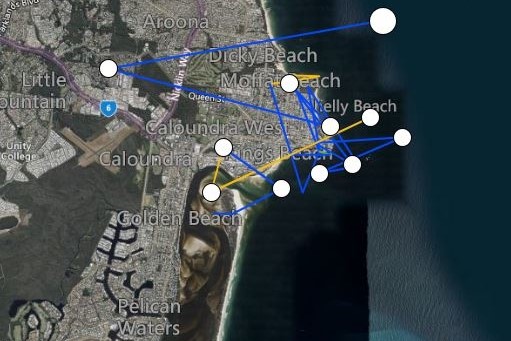
“The second bird was a juvenile tagged at Caloundra Headland. It has a green leg flag with the letters 'ANB' and currently stays locally at Caloundra and the northern tip of Bribie Island.”
The project is an initiative under council's Shorebird Conservation Action Plan, which guides its actions to help protect the species.
The Queensland Wader Study Group is a non-government volunteer organisation dedicated to the protection of shorebirds and their habitat.
Its activities focus on the collection, analysis and dissemination of data concerning waders. Membership is open to all who want to learn about or help in the conservation of these remarkable birds.
Jon Coleman, from the group, said they were delighted to be working with council on the project.
"This is the first time transmitters have been used on this species and as more data is collected, council will be able to understand the impacts of disturbance on behaviour and evaluate methods to protect these iconic birds while balancing the need for public access to our foreshore areas," he said.
Do you have an opinion to share? Submit a Letter to the Editor at Sunshine Coast News via news@sunshinecoastnews.com.au. You must include your name and suburb.