
Blowing bubbles and nostril hissing: the love language of crocs
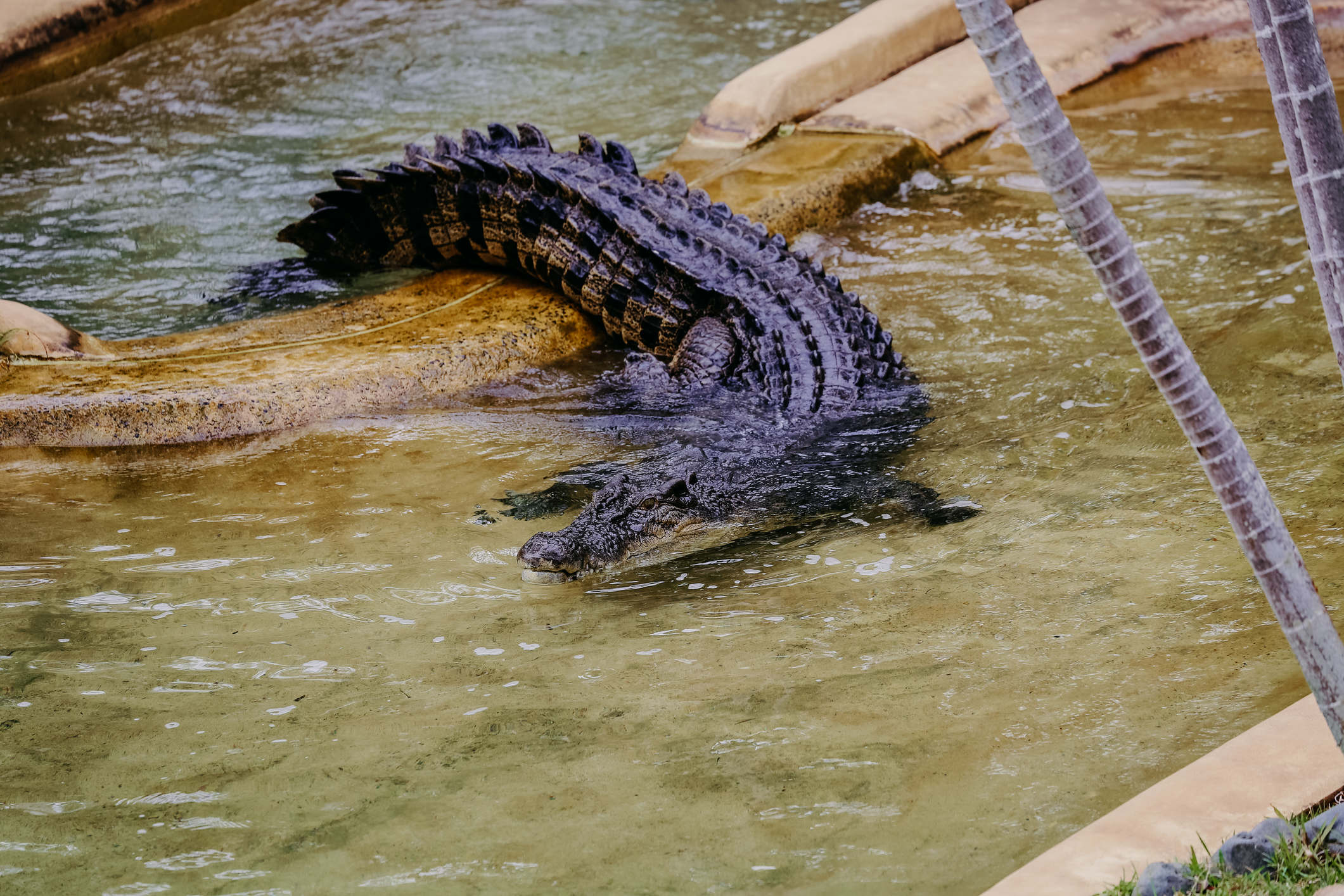
University of the Sunshine Coast researchers have been recording the 'love language' of crocodiles, to better understand how Australia's apex predators communicate.
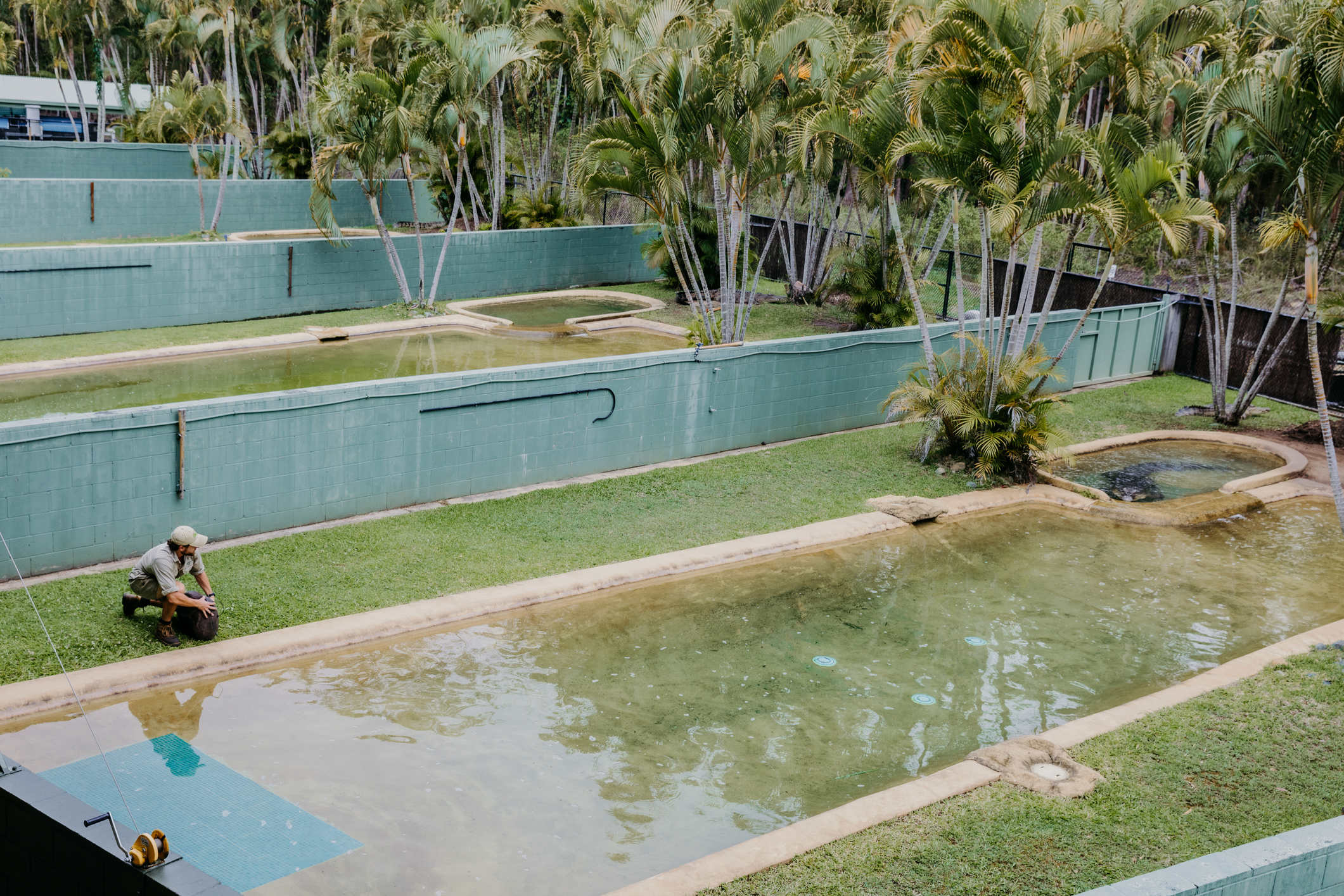
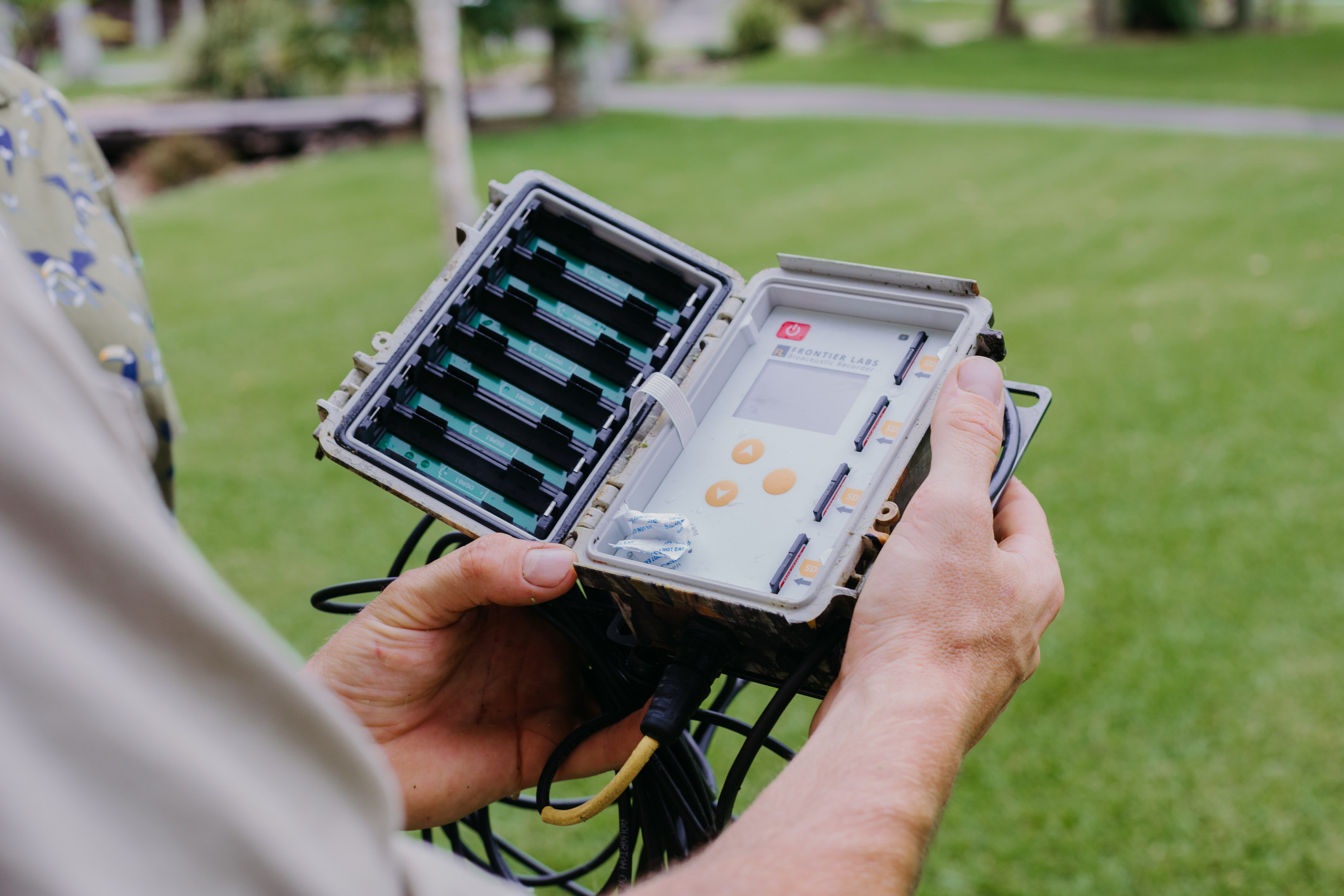
Using video and acoustic recording equipment installed in Australia Zoo’s crocodile habitats, UniSC honours student Sonnie Flores has been collecting courtship and nesting noises.
"Narial geysering (spouting water from the nose), narial hissing, bubble blowing – these are some of the things males primarily do to females,” she said.
“And the females just love it.
“There’s a lot of courtship noises, and a lot of the sounds they make are actually in mixed context. So they might make it in an aggressive way, or in a courtship way.”
The collection of noises forms part of a wider 12-month research project on how crocodiles communicate.
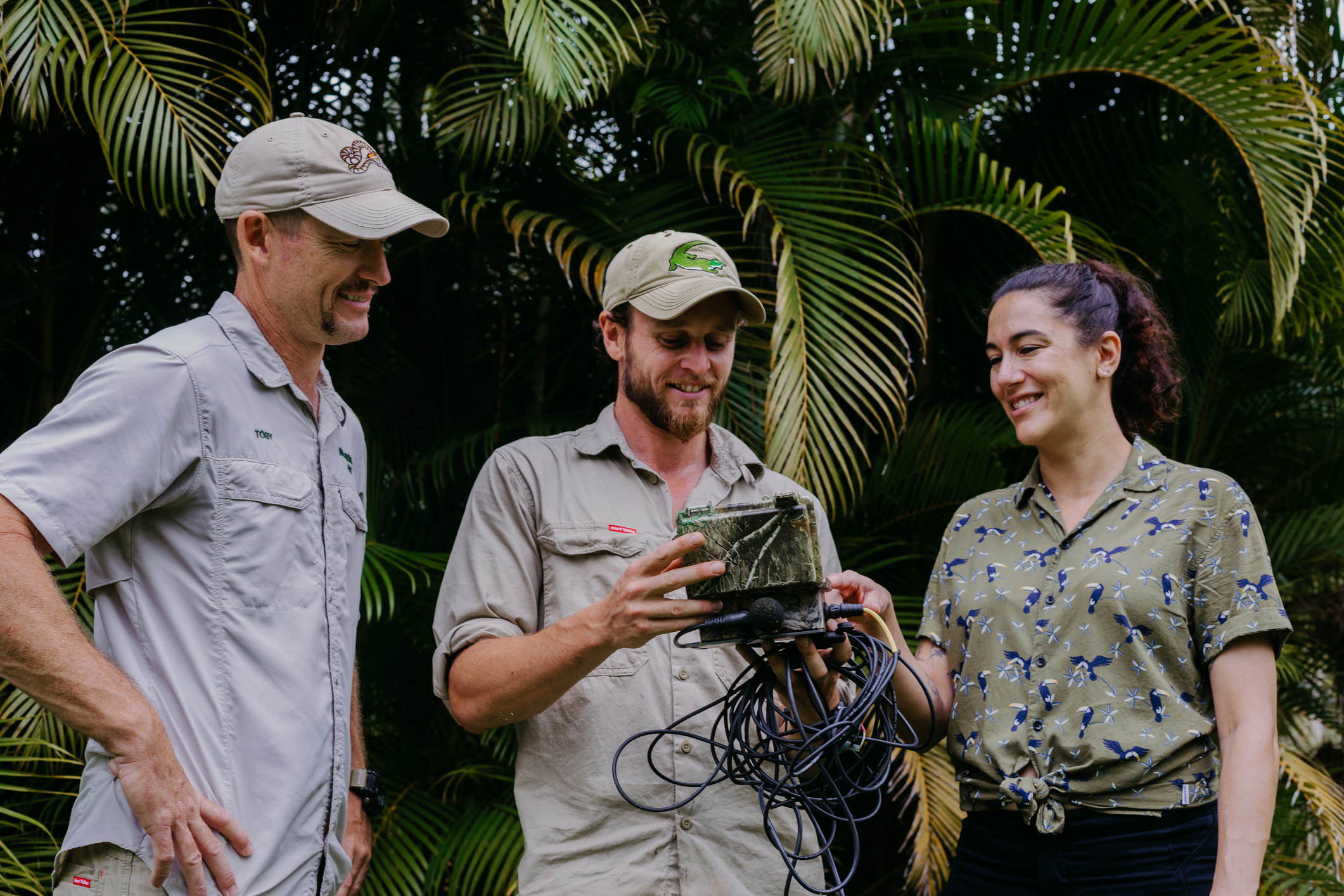
Research supervisor and UniSC ecologist Dr Ross Dwyer said the idea to collect a ‘crocodile dictionary’ came from hearing the hullabaloo created by crocs in Far North Queensland.
https://youtube.com/shorts/GMTY9oszybI?si=BlmDFR7kz3Is3UqO
“When we were camping near the water in Cape York, you’d often hear these commotions down by the riverside – these big slaps, these growls and these hisses," he said.
"We find it’s the crocodiles making these calls.”
“We did a bit of digging and realised that very little is known about how saltwater crocodiles communicate, which is when we came to Australia Zoo with the aim of trying to understand how and why they do it.”
Australia Zoo’s crocodile research team leader Toby Millyard said working with UniSC on the project was a no-brainer – furthering Steve Irwin’s commitment to breaking down the stigma surrounding the iconic Australian species.
“Scientific programs like acoustic recordings help paint a fuller picture of crocodiles – not just as these mindless, evil monsters,” he said.
“People are never going to love an animal they don’t understand.
"So learning more about how they live, act and interact is what we’re all about, particularly with crocodiles – they were Steve’s greatest love.
"Anything that furthers our knowledge of them we’re all for.”
With her honours project wrapping up, Ms Flores said there was still a few sounds left on her crocodile dictionary wish list, including sub-audible vibrations that can’t be detected by the human ear.
“Crocodilians are considered the most vocal reptile," she said.
"We’re hoping to collect some more roars, growls, head slaps … and it would be really great to get some low-frequency sounds from the crocodiles.
"It’s something we don’t have a lot of research on.”
“What we’re finding is that crocodiles might be a bit more social and a bit more tolerant of each other than what we thought, which raises more questions really about what the effect of removing a crocodile from the environment might have on the greater social hierarchy in the ecosystem.
“We’ve only touched the tip of the iceberg."
Like stories that inform, connect and celebrate the Sunshine Coast? So do we. Join an independent local news revolution by subscribing to our FREE daily news feed at the bottom of this article.